Contributing physicians in this story
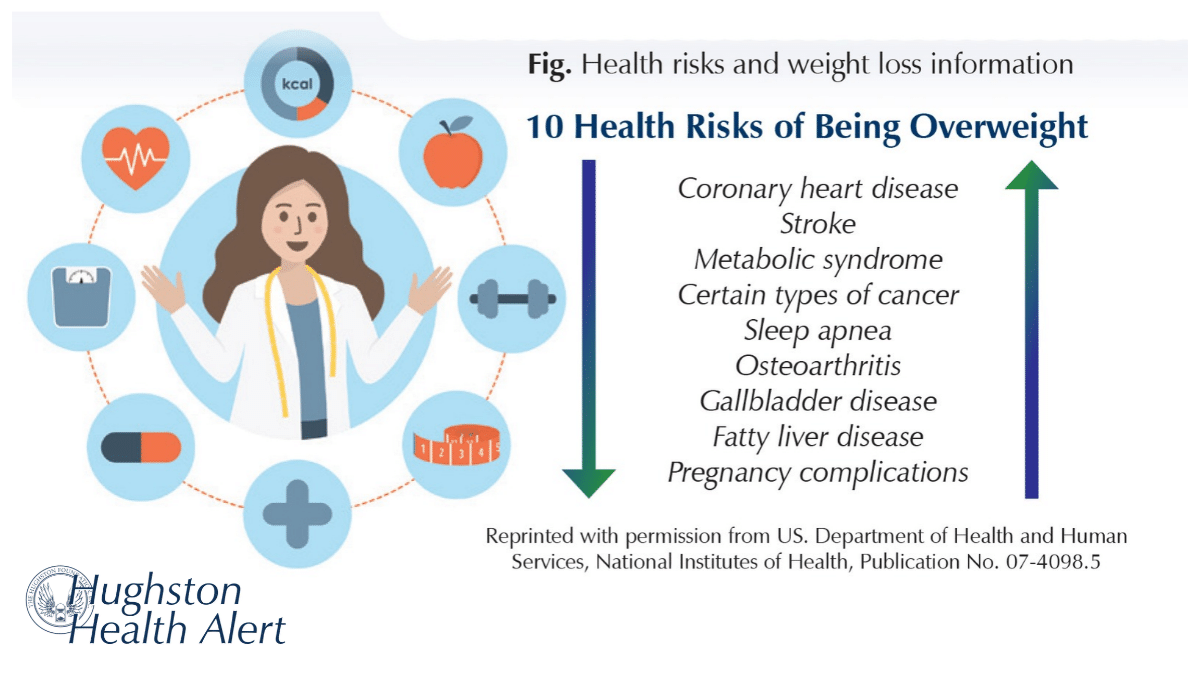
Obesity is a significant health problem that affects millions of people. It happens when the body stores too much fat, which can lead to serious health issues like heart disease, diabetes, high blood pressure, and even some types of cancer. The Centers for Disease Control and Prevention reports that nearly 40% of adults in the US are obese. This statistic means that almost half of all adults have excess body weight that can put their health at risk.
Losing weight and keeping it off can be difficult because many factors affect body weight, including genetics, lifestyle, and daily habits. A healthy weight is not just about looking a certain way—it is about feeling good, having energy, and reducing the chances of developing long-term diseases. To successfully lose weight and keep it off, people need a balanced approach that includes healthy eating, regular physical activity, good sleep, stress management, and, in some cases, medical treatment. By making small, long-term changes rather than following short-term fad diets, you can improve your health, feel better, and lower the risk of obesity-related conditions. Here are 7 strategies to help you lose weight with a balanced approach.
1. Set realistic goals
One of the most critical steps in weight loss is setting achievable and sustainable goals. The National Institutes of Health recommends aiming for 5 to 10% weight loss over 6 months, which improves metabolic health and reduces disease risk. You should focus on long-term lifestyle changes rather than quick-fix diets that often lead to regaining weight. The key is to set a realistic weight-loss goal and establish a realistic plan for achieving it.
Although SMART (Specific, Measurable, Achievable, Relevant, and Time-bound) goal setting can be applied to any aspect of your life, it is especially helpful for weight loss pursuits. Start with being Specific about your weight loss objectives, for example, “I will walk for 30 minutes each day.” Make it Measurable by tracking your progress using a food journal or weight-tracking app. A realistic goal is Achievable by setting practical targets, like losing 1 to 2 pounds per week. Keep it Relevant by aligning your goals with personal motivations, such as “I want to lose weight to improve my energy levels.” Last, make it Time-bound by establishing reasonable deadlines, for instance, “I will lose 10 pounds in 3 months.”
2. Adopt a balanced, nutrient-dense diet
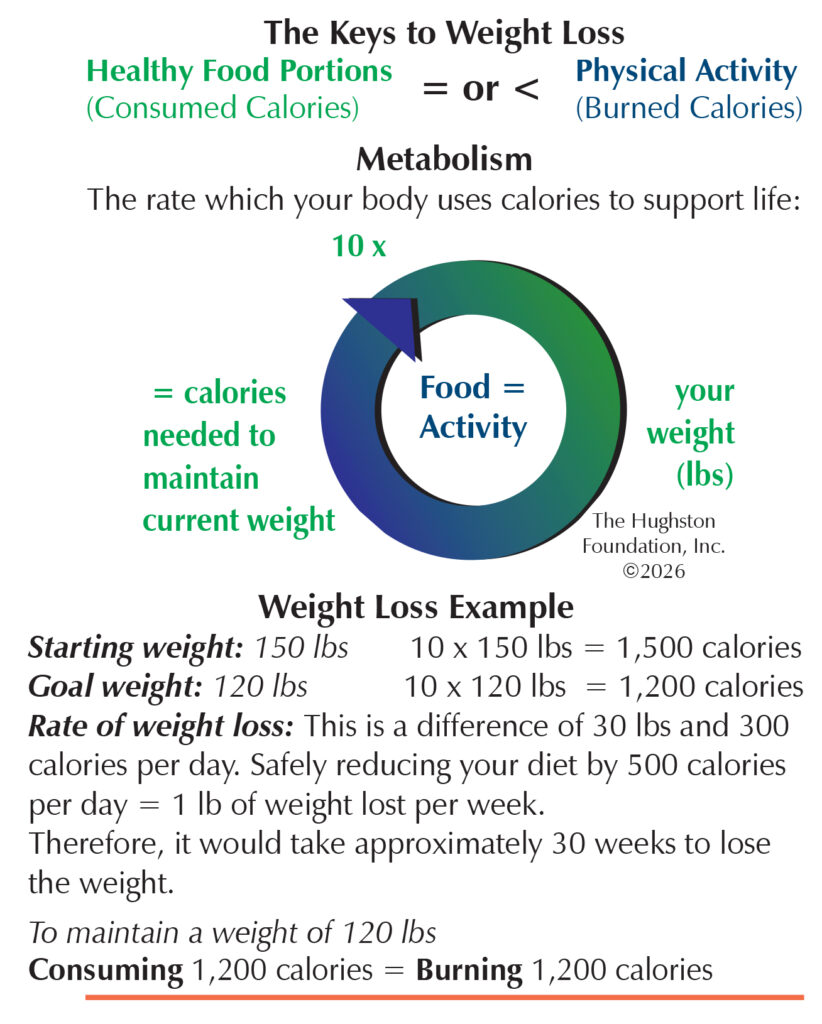
Caloric intake and macronutrient distribution are key to losing weight. Weight loss occurs when there is a caloric deficit, which means burning more calories than you consume. A 500 to 750 kcal/day deficit typically results in a loss of 1 to 2 pounds per week. However, the quality of food you eat matters beyond calorie counting.
Recommended dietary guidelines
The United States Department of Agriculture (USDA) recommends increasing protein intake to preserve muscle mass and enhance satiety (physical feeling of fullness). In their pamphlet, Dietary Guidelines for Americans 2025-2030, the USDA recommends reducing processed carbohydrates and instead focusing on high-fiber foods such as vegetables, whole grains, and legumes. Other suggestions include limiting added sugar and incorporating healthy fats from nuts, seeds, olive oil, and fatty fish. Another good suggestion is to stay hydrated by drinking 2 to 3 liters of water daily, as dehydration can sometimes be mistaken for hunger.
Intermittent fasting
Intermittent fasting is an eating pattern that alternates between periods of eating and fasting rather than focusing on what foods to eat. Two common methods are the 16:8 method, where a person eats within an 8-hour window and fasts for 16 hours, and the 5:2 method, where normal eating occurs 5 days a week and calorie intake is significantly reduced on 2 non-consecutive days. This approach can help with weight loss by naturally reducing the total number of calories consumed, as less time is available for eating. Additionally, intermittent fasting can improve insulin sensitivity, meaning the body can use blood sugar more effectively, which may help lower the risk of type 2 diabetes and improve overall metabolism. However, this strategy may not be suitable for everyone, particularly individuals with diabetes or a history of disordered eating, so it is important to discuss it with a healthcare professional before starting.
3. Engage in regular physical activity
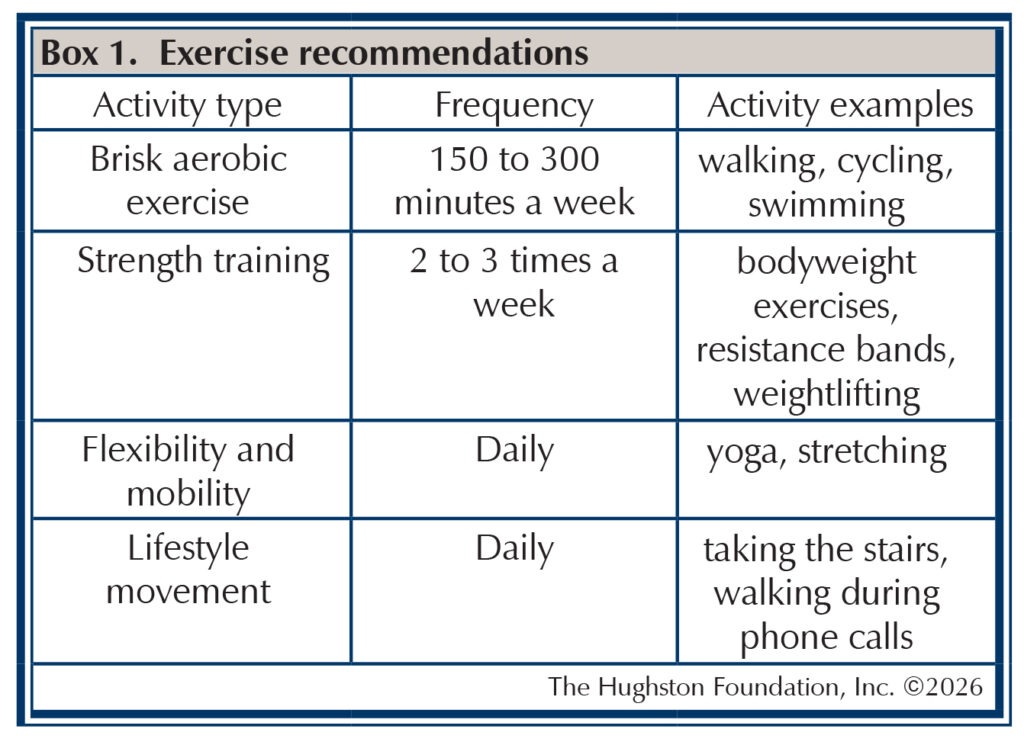
Exercise plays a crucial role in weight loss maintenance and overall metabolic health. The American College of Sports Medicine (ACSM) recommends 150 to 300 minutes of moderate-intensity exercise, such as brisk walking or cycling, per week. You should also engage in strength training at least twice per week to preserve lean muscle mass during weight loss. You can also increase your daily movement by taking the stairs, standing more, and engaging in non-exercise physical activity to help gain strength and stamina (Box 1). Consistency is key, and finding enjoyable activities increases adherence and long-term success.
4. Prioritize sleep and stress management
Poor sleep is linked to weight gain and metabolic dysfunction. The National Sleep Foundation recommends 7 to 9 hours of quality sleep per night. Sleep deprivation increases ghrelin (hunger hormone) and decreases leptin (satiety hormone), leading to overeating and cravings for high-calorie foods. Make changes to improve your sleep, such as sleeping in a cooler room, going to sleep at the same time every night, and waking at the same time each morning.
Poor sleep can lead to stress, and there is a clear link between stress and emotional eating. Chronic stress elevates cortisol, which can lead to increased abdominal fat and emotional eating. You can manage stress and reduce emotional eating by implementing a few strategies. For example, mindfulness-based interventions, such as meditation, prayer, and deep breathing, help reduce stress, while mindful eating helps control what you consume. Cognitive-behavioral therapy can also help address emotional eating patterns. Regular exercise reduces cortisol and improves mood, so not only do you burn calories, but it also helps control stress and emotional eating. Use your journal to track triggers to help you recognize when you are stressed and overeat.
5. Behavioral modifications and support systems
Weight loss success is highly dependent on sustainable behavior changes and social support. Behavioral strategies can include keeping a food diary or using an app on your phone or computer to improve awareness and accountability. Controlling your portions by using smaller plates and mindful eating techniques can help reduce overeating. Habit stacking helps by pairing a new behavior with an existing habit. For example, walking after dinner makes it easier to integrate the habit because you have an automatic trigger and plan to walk after you eat.
Studies show that support from family, friends, or weight loss groups increases adherence and consistency. Patients can benefit from asking a friend or family member to join them on a weight loss journey. Joining a weight loss program, working with a dietitian, working out with a personal trainer, or following a health coach can provide the support you need for successful weight loss. Engaging in online support communities can involve others to help hold you accountable, and they can help provide the support you need during difficult times.
6. Medical interventions when necessary
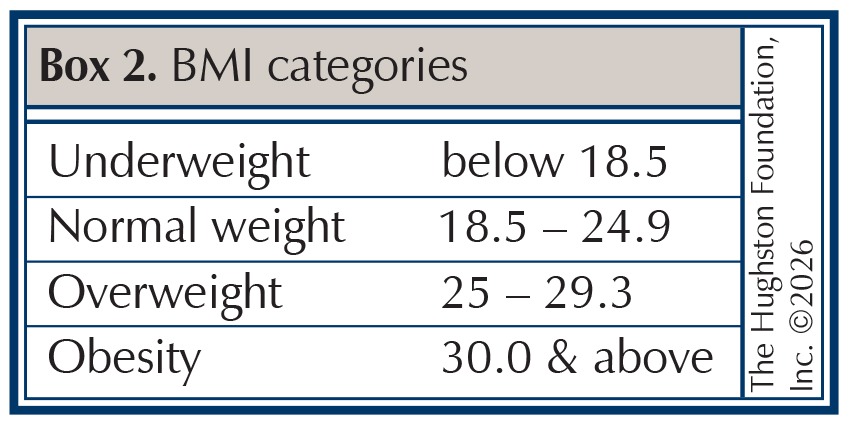
If weight loss has been difficult to achieve or you can’t keep the weight off, you have several pharmacological and surgical options that may help. For individuals with obesity, defined as a body mass index (BMI) greater than 30 or ≥27, who have weight-related health conditions such as diabetes or high blood pressure, medical treatment may be necessary (Box 2).
GLP-1 receptor agonists are FDA-approved weight-loss medications that doctors prescribe, including Semaglutide (Wegovy® and Ozempic®), as a once-weekly injection. Studies report an average body weight loss of 15% over 68 weeks. Additional benefits include lower blood sugar and a reduced risk of heart disease. Doctors also prescribe Liraglutide (Saxenda® and Victoza®) as a daily injection. When paired with a reduced-calorie diet and exercise, patients can lose 8% to 10% of body weight over a year, improve their metabolism, and reduce the risk of diabetes complications. Tirzepatide (Mounjaro®) is a once-weekly injection. When paired with diet and exercise, patients can lose 15% to 22% of body weight, making it one of the most effective weight-loss medications.
Your physician can also prescribe other weight-loss medications, such as Orlistat® (which inhibits fat absorption) and Phentermine-topiramate or naltrexone-bupropion (which help suppress appetite). Physicians often recommend bariatric surgery, such as gastric bypass or sleeve gastrectomy, for patients who have difficulty losing weight and have a BMI greater than 40 or a BMI ≥35 with other health conditions.
7. Long-term weight maintenance strategies
Weight maintenance is often more challenging than the weight loss itself. Strategies include: 1) regular weigh-ins once a week, 2) consistent meal planning, 3) avoiding ultra-processed foods, 4) ongoing physical activity, 5) behavioral modifications, and 6) preventing relapse by recognizing and addressing triggers. The National Weight Control Registry has identified common habits among successful maintainers, such as eating breakfast, exercising regularly, and self-monitoring weight using an app or journal.
Your weight loss journey
Achieving and maintaining a healthy weight is a journey that requires consistency, patience, and a personalized approach. Sustainable weight loss is not about restrictive dieting or rapid results. Instead, to be successful, you should make gradual, lasting lifestyle modifications. A combination of realistic goal-setting, nutrient-dense eating, regular physical activity, behavioral changes, and stress management plays a crucial role in long-term success. Additionally, medical interventions, including prescription medications or bariatric surgery, may be appropriate for individuals with significant obesity who have struggled with conventional approaches.
One of the most critical aspects of successful weight management is recognizing that setbacks are a natural part of the process. Rather than viewing occasional lapses as failures, you should focus on long-term progress and resilience. Engaging in self-monitoring, building a supportive environment, and staying informed about the latest evidence-based strategies can help maintain motivation and adherence to a healthy lifestyle.
Ultimately, the goal of weight loss extends beyond numbers on a scale. A healthy weight supports improved energy levels, reduced risk of chronic disease, enhanced mental wellness, and a higher overall quality of life. By adopting sustainable habits and focusing on lifelong health rather than temporary results, you can achieve lasting success and well-being.
Author: Derek A. Woessner, MD, FAAFP, CAQSM | Montgomery, Alabama
Last edited on September 25, 2026