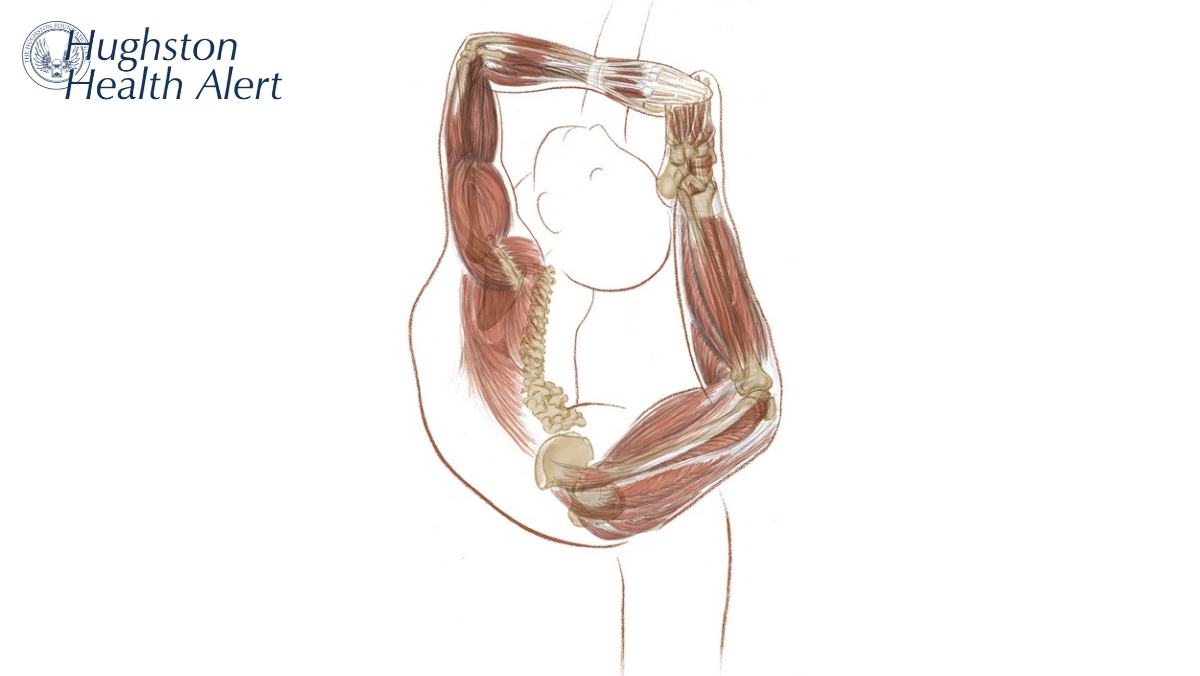
Dance is a demanding aerobic form that combines athleticism, strength, flexibility, and artistry; however, this physical rigor places dancers at a high risk for injury, especially in the lower extremities. From polished ballerinas to professional cheerleaders, understanding common dance injuries can aid in prevention and timely treatment.
Who is at risk?
Dancers of all ages and skill levels are susceptible to injury. Dance and gymnastic-related injuries often affect the knee, ankle, and foot. A dancer’s ankle and foot movements place high demands on the lower extremity ligaments (tissue connecting 2 bones) and tendons (tissue connecting muscles to bones), which provide stability and control during activity. Female dancers, especially in ballet, face unique challenges due to pointe work (on the tip of the toes) and hypermobility (joints that move beyond the normal range of motion), while cheerleaders endure high-impact landings, stunts, and repetitive routines. The en pointe (placing the body’s weight on the toes) in ballet, for example, involves maximal ankle and tarsal joint plantar flexion, which increases forces through the foot up to 12 times the normal body weight. Regardless of style, dancers and cheerleaders can experience sprains (stretching or tearing of ligaments), strains (stretching or tearing of tendons), fractures (broken bones), and other injuries during routines.
Dance injuries
Ankle sprains and instability
Lateral ankle sprains (stretching or tearing the ligament on the outside of the ankle) are the most common acute injury in dancers due to jumping and landing in plantar flexed (foot points down) positions. Chronic ankle instability (ankle feels loose, weak, and turns inward) can result from repeated sprains if the patient does not undergo proper rehabilitation after an initial injury. Footwear is also an important factor in ankle injuries, since most dance shoes lack adequate ankle support. For cheerleaders, the risk of ankle injuries increases during preseason training camps, when the environment is high-intensity, with long hours and little time for recovery.
Stress fractures
Dancers often suffer from stress fractures (tiny cracks in the bone) in the metatarsals (long bones in the midfoot), tibia (shinbone), and fibula (smaller bone of the lower leg) due to repetitive loading and inadequate recovery. Professional ballerinas and cheerleaders are prone to these injuries due to the constant impact and loading during dance and routines.
Achilles tendinopathy
Pain in the Achilles tendon (the tissue that connects the calf muscle to the heel bone) from overuse is common, especially in ballet dancers who perform repeated relevés and jumps. Without treatment, the injury can progress to partial or full tendon ruptures, which require a substantial amount of time to recover.
Patellofemoral pain syndrome
Also known as “runner’s or dancer’s knee,” patellofemoral pain syndrome is common in dancers after repetitive knee bending and improper biomechanics during turnout or landing. It is more common in female dancers due to hip anatomy and the dominance of the quadriceps (4 large muscles on the front of the thigh), but the injury can be mitigated with proper strength training and technique.
Hip labral tears
Turnout and extreme hip flexion in ballet can lead to femoroacetabular (hip) impingement and labral tears. Hip impingement occurs when bone grows on the femoral head (ball) or acetabulum (socket) of the hip, causing the bones to rub against each other during movement. The friction damages the joint, resulting in groin and hip pain and potentially leading to labral tears (the ring of fibrous cartilage around the edge of the joint surface). Hip pain with clicking or locking suggests this diagnosis, leading doctors to order magnetic resonance imaging, a test that shows the bones, muscles, tendons, and ligaments, to diagnose the injury. Depending on the injury progression, doctors can treat hip impingement and labral tears nonsurgically with medication and physical therapy or with minimally invasive arthroscopic surgery.
Lumbar strain and spondylolysis
Hyperextension of the lumbar spine (lower back) in dance and cheerleading increases risk for low back pain and conditions like spondylolysis (forward slippage of the disc and vertebra). Core weakness and high training volume are common contributing factors.
Preventing dance injuries
Preventive strategies to avoid these dance injuries include proper warm-up and cool-down routines, cross-training for strength and endurance, adequate rest, and attention to nutrition. Biomechanical assessment and technique correction are essential components of injury prevention.
Staying on your feet
Whether you’re a high school student, a professional ballerina, or part of the cheerleading squad, dance injuries can affect performance and long-term joint health. Early recognition, rest, and rehabilitation are key to staying on your feet. Dancers should work with sports medicine healthcare professionals, such as team physicians and athletic trainers, to ensure a safe and sustainable dance career.
Author: Emily Jones, MD | Jackson, Mississippi
Last edited on September 23, 2026